
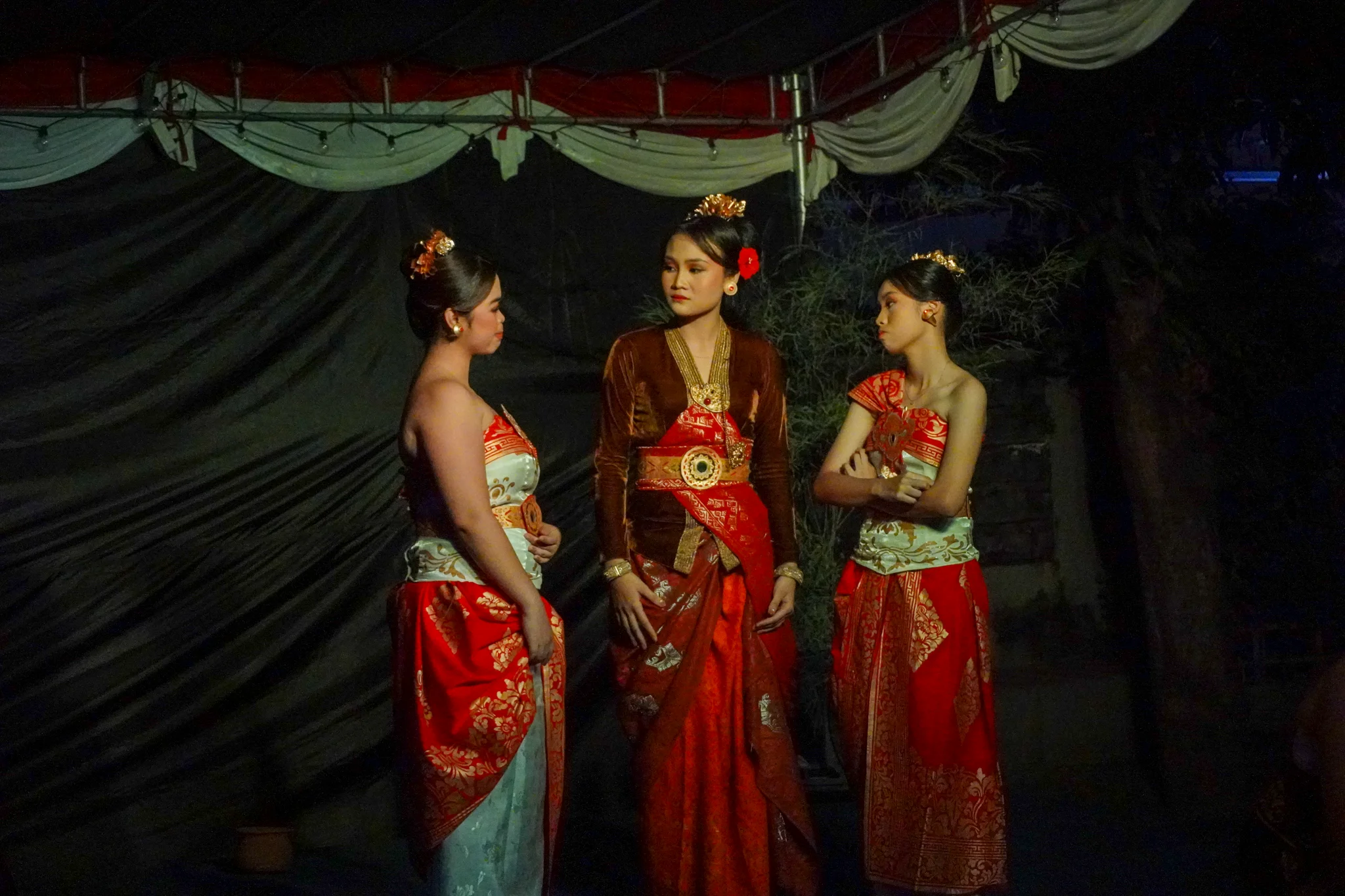
The stage lights turned on. The music began. And suddenly, the hall transformed into a different world.
Through the theater performance “Kala Rauh”, students of Bintang Mandiri School didn’t just act, they stepped into characters, emotions, and cultural stories that challenged them in new ways.
For the students playing Putri Cening Ayu, the experience was more than memorizing lines. It was about understanding what it feels like to be a child who longs for freedom but is deeply loved and protected. They had to express frustration, innocence, joy, and fear, all within one storyline. It pushed them to explore emotions they may not always show in everyday life.
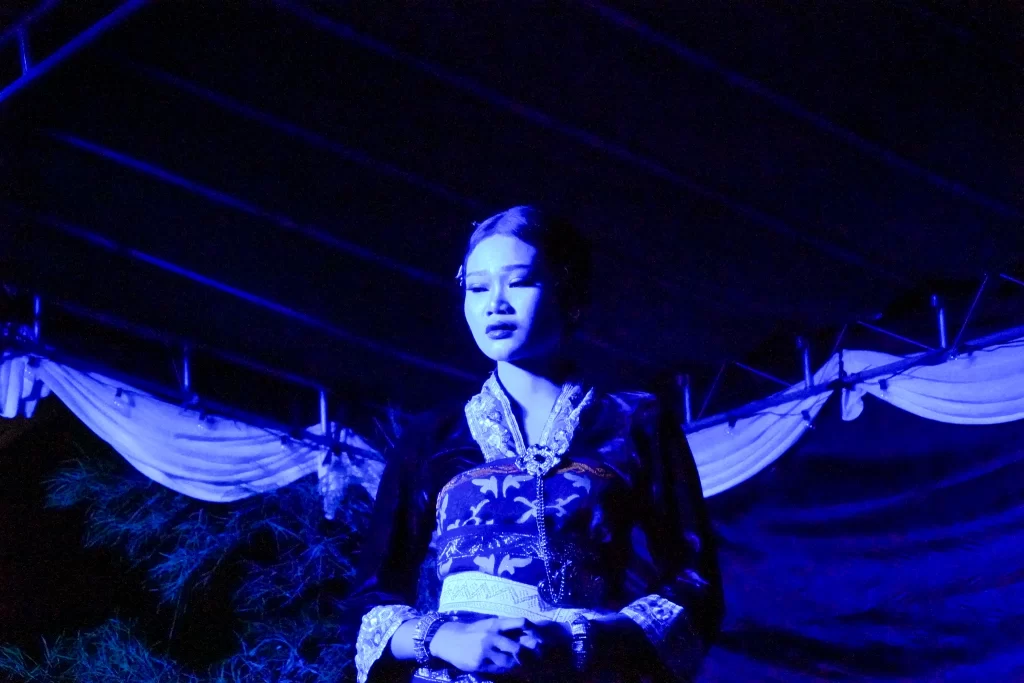
For those portraying the mother, it was a different kind of challenge. They had to communicate strength, worry, sacrifice, and unconditional love. Balancing authority with vulnerability on stage required maturity and strong character interpretation.
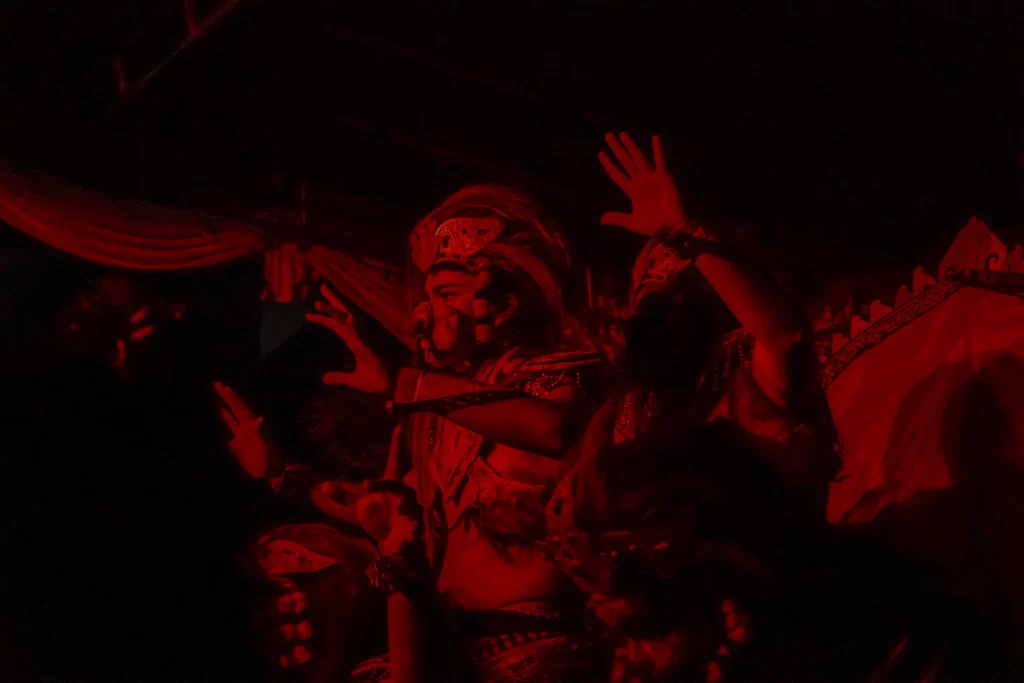
Meanwhile, the students who played the Bhuta Kala brought intensity and physical expression into the performance. Through movement, expression, and stage presence, they created dramatic tension that made the audience feel the turning point of the story.
Behind the scenes, the learning process was just as meaningful as the final show.
Students spent weeks rehearsing, practicing voice projection, timing, blocking, and emotional delivery. They learned how to support one another, adjust when mistakes happened, and stay focused under pressure. Some students who were initially shy gradually grew more confident as rehearsals progressed. Others discovered strengths in stage movement, storytelling, or character building.
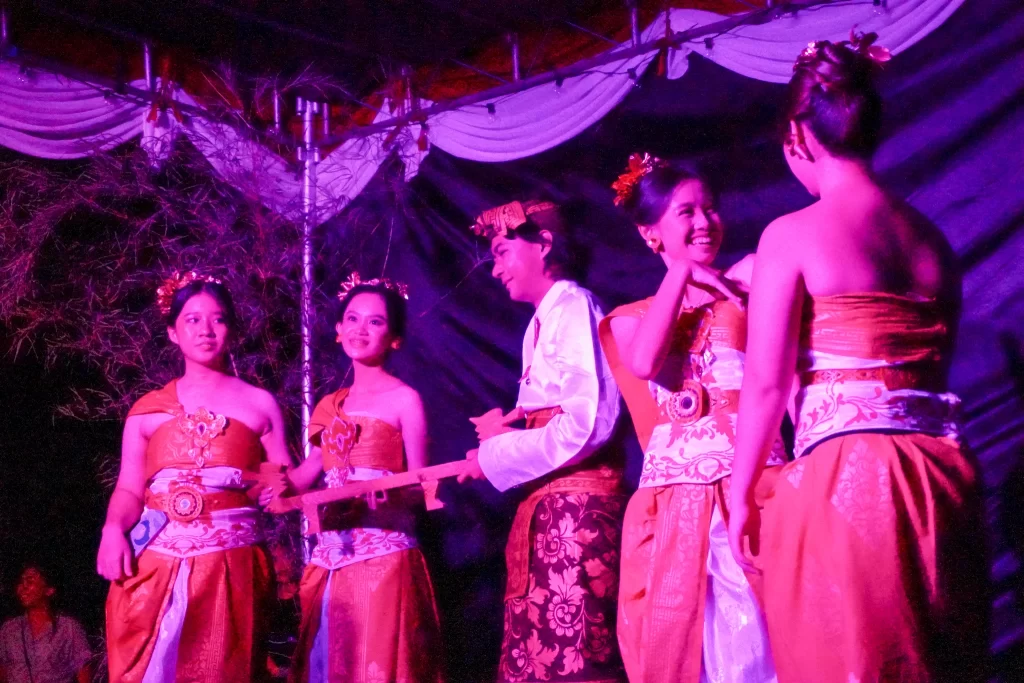
Because “Kala Rauh” is rooted in Balinese cultural values, students also deepened their understanding of local traditions. They didn’t just perform a story, they explored cultural meaning, symbolism, and the importance of heritage. It became a learning experience that connected art, history, and identity.
On performance day, nervous energy filled the room. But once the play began, something shifted. Students owned the stage. Their voices became stronger, their movements more confident, and their teamwork more visible.
The applause at the end was not only for the story of Putri Cening Ayu, it was for the dedication, discipline, and growth of every student involved.
Through “Kala Rauh,” students learned that theater is not just about acting. It is about empathy, courage, collaboration, and responsibility. It is about stepping into someone else’s perspective and telling a story with honesty.
And most importantly, it was a moment where our students proved that they are capable of bringing meaningful stories to life, with heart, effort, and pride.